9+ curated guides • Updated September 2025
Long before every star had a beauty line or a wellness app, 80s celebrities were the wild west of side hustles. We're not talking about their iconic film roles or chart-topping hits, but their forgotten passion projects: the bizarre fast-food chains, the questionable workout gear, and the board games doomed to fail. This is the untold story of big hair, big dreams, and even bigger business blunders. This era wasn't about building a brand; it was about cashing a check, a clumsy, glorious, and often disastrous attempt to monetize fleeting fame before the internet could do it for them.
You've been told to eat 'good food' your whole life, likely for reasons related to weight or heart health. But what if the most compelling reason has been overlooked? We’re now discovering that the food in your gut sends direct signals to your brain, powerfully shaping your mood, focus, and anxiety levels every single day. For decades, the dietary conversation has been dominated by a simplistic, mechanical view of food as fuel, measured in calories and macronutrients. This paradigm is being dismantled by a revolution in neuroscience and microbiology. The new frontier isn't on your plate; it's in the complex, bustling ecosystem within you. We're talking about the gut-brain axis: a biochemical superhighway where trillions of microbes are constantly sending dispatches to your central nervous system. This article isn't about another diet. It's about a fundamental shift in understanding—viewing food not as a number, but as information that programs your mental and emotional state.
We celebrate celebrity chefs for their food, but their true power isn't measured in Michelin stars—it's measured in economic impact. When a famous chef opens a restaurant, they don't just sell meals; they can trigger a surge in property values, revive local farms, and single-handedly put a forgotten town on the map. This is the story of the money and power that follow the food. We're moving beyond the dining room to dissect the tangible, and often seismic, financial shifts that occur when a culinary superstar invests in a community. It's a phenomenon I call 'The Ramsay Effect,' a powerful force that can be both a town's greatest salvation and its most perilous gamble.
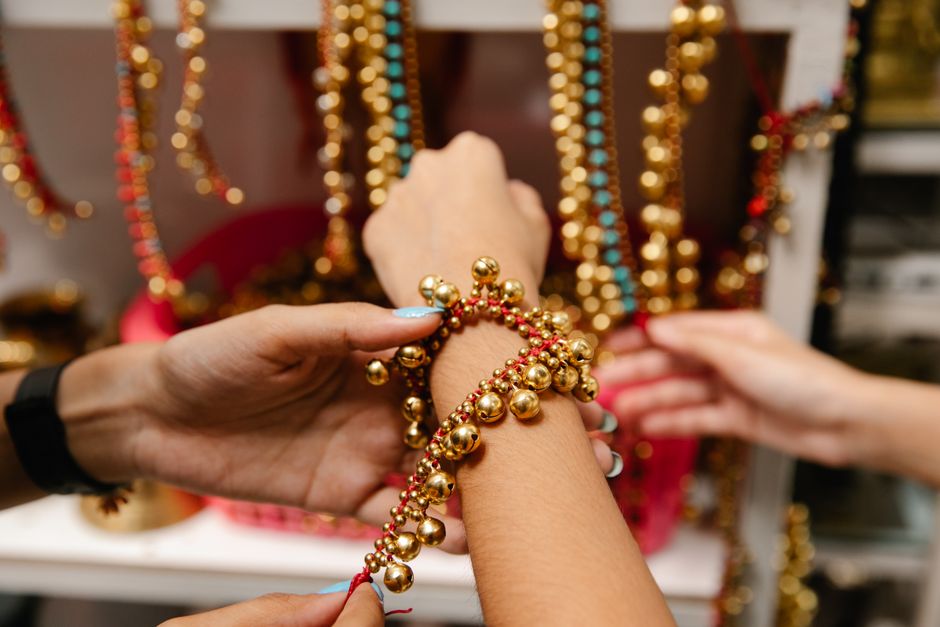
We're told a jewellery collection is built piece by piece, a treasure chest filled with acquisitions. But what if we've been looking at it all wrong? Imagine your collection not as a static vault, but as a living garden—one that requires thoughtful planting, seasonal pruning, and patient cultivation to truly blossom. This approach transforms the act of adornment from a passive display into an active, intentional expression of self. It asks us not 'What can I get?' but 'What can I grow?'. By tending to our jewellery box with the care of a gardener, we cultivate a collection that is not only beautiful but deeply, authentically our own, evolving with us through the seasons of our lives.
For generations, a man's ring was a declaration of weight and wealth—the heavier, the better. But in a world saturated with loud statements, a new kind of power is emerging from subtlety. What if the most confident statement you could make on your hand weighs almost nothing at all? We've been conditioned to associate mass with meaning, bulk with bravado. The chunky signet, the formidable wedding band, the knuckle-duster dripping in stones—they all served their purpose in an era of overt signaling. But the modern man of substance understands a different language. He communicates not through volume, but through precision. The 2-gram gold ring isn't an entry-level accessory; it is the final word in a style vocabulary built on intention. It’s a deliberate rejection of the need for external validation, a quiet hum of self-assurance in a world of noise.
It sits in the back of your jewelry box: a necklace with an initial that's no longer yours, a bracelet engraved with a date you'd rather forget. This piece, once a symbol of connection, now feels like a beautiful, silent weight. Before you decide to bury it forever, what if you could reclaim its story and transform its meaning entirely? As a former jeweler, I've seen firsthand how these small, precious objects can anchor us to the past in ways we don't always recognize. They are not just metal and stone; they are condensed stories, holding joy, love, and sometimes, profound pain. The challenge isn't the object itself, but the narrative it enforces every time you glance at it. This guide is for anyone who feels that friction. It’s a practical and compassionate map to navigate your options, helping you decide whether to gently rewrite a chapter, start a new book, or simply close the cover with grace.
That rush you feel when you snag a 70% off deal on Cyber Monday? It’s no accident. Retailers have spent decades perfecting the art of a digital gold rush, using everything from countdown timers to 'only 3 left!' alerts to trigger your brain's most impulsive instincts. This year, instead of being a pawn in their game, we're showing you the playbook. As a former e-commerce strategist, I've seen the architecture of these campaigns from the inside. They are not designed to give you the best value; they are designed to maximize your spend under the illusion of value. This article isn't about finding deals—it's about understanding the sophisticated psychological machinery designed to separate you from your money, and how you can dismantle it.
You saw the shocking headline, the 'leaked' private photos, and the carefully worded Instagram apology. But what if none of it was an accident? We're pulling back the curtain on the multi-million dollar crisis management machine that turns celebrity scandals into strategic career moves, revealing the playbook they hope you never notice. Before I started writing about the media, I spent two decades inside that machine, orchestrating the very plays I'm about to expose. What you see as a chaotic week of gossip, I see as a meticulously choreographed ballet of narrative control. Forget the drama; let's talk strategy.
Cast your mind back to 2022—a year of vibrant crescent bags, puffy pillow clutches, and Y2K-revival shoulder bags. While many of us eagerly bought into the hype, which of these 'must-have' styles are now gathering dust, and which ones surprisingly became mainstays in our closets? We're breaking down the 2022 handbag archives to separate the fleeting fads from the true future classics. This isn't just a nostalgic look back; it's a pragmatic assessment of value, longevity, and true style endurance. Consider this your official, final grade for the class of 2022.